
This above video is produced especially for my Deaf and hard-of-hearing friends who are SgSL users for their better understanding.
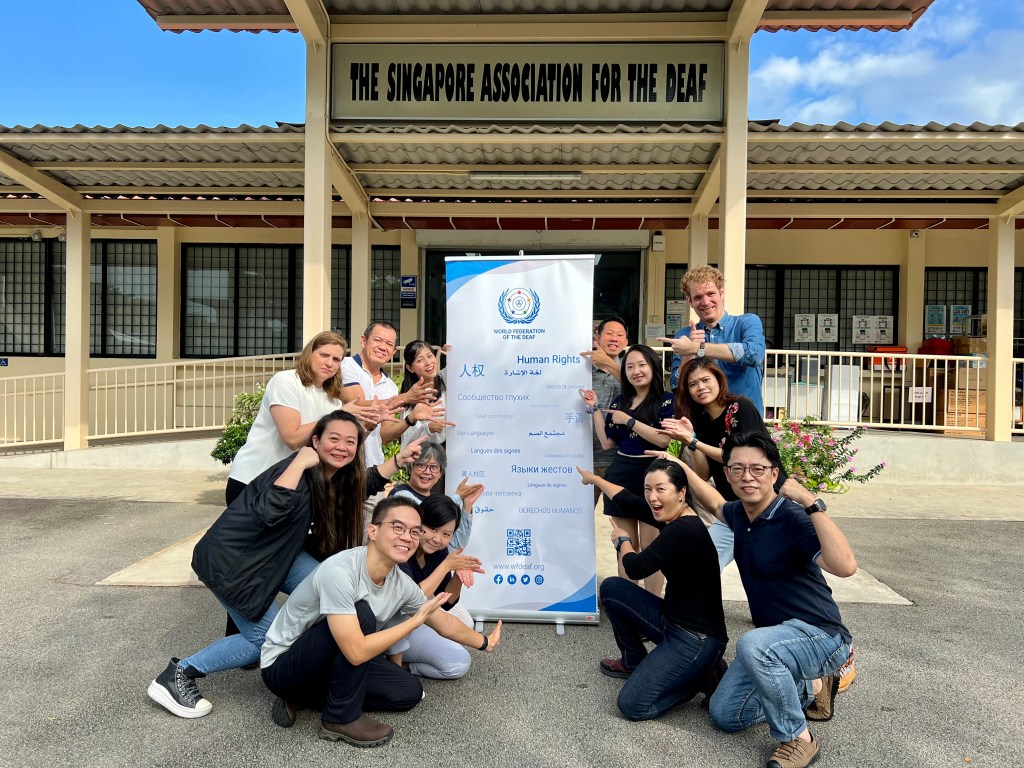
In 2022, I had participated in a 8-day “Sign Language Rights” training organized by the World Federation of the Deaf (WFD) in Singapore. Susana Stiglich, Sign Language Rights Officer, and Alexandre Bloxs, formerly Human Rights Officer shared invaluable knowledge and insights into advocacy, human rights and sign language rights. Their expertise empowered us with a deeper understanding of the Convention on the Rights of Persons with Disabilities (CRPD), and equipped us with strategies to champion the rights of the Deaf community.
The workshop delved into the legal and policy frameworks that support sign language rights under the CRPD. We explored strategies for advocacy and activism, focusing on how to effectively promote inclusivity and accessibility. This experience was not just educational – it was a catalyst that ignited our determination to drive meaningful change in Singapore.
Recognition of Sign Languages in Asia
Recognition of national sign languages is fundamental to the achievement of full human rights, as recognized in the CRPD. In Asia, a few countries have made significant strides in legally recognizing their national sign languages, affirming the linguistic and cultural identity of Deaf communities across the region.
In recent years, the Philippines, Malaysia and Indonesia have taken meaningful steps toward the legal recognition of their national sign languages.
- The Philippines
- In 2018, the Philippies made a landmark move by enacting the Filipino Sign Language Act (Republic Act No. 11106). This law officially recognizes Filipino Sign Language (FSL) as the national sign language of the Filipino Deaf community and the official sign language of government in all transactions involving the Deaf. It mandates the use of FSL in schools, broadcast media, and workplaces, ensuring that Deaf individuals have the right to access information and services in their native sign language.
- In 2018, the Philippies made a landmark move by enacting the Filipino Sign Language Act (Republic Act No. 11106). This law officially recognizes Filipino Sign Language (FSL) as the national sign language of the Filipino Deaf community and the official sign language of government in all transactions involving the Deaf. It mandates the use of FSL in schools, broadcast media, and workplaces, ensuring that Deaf individuals have the right to access information and services in their native sign language.
- Malaysia
- Malaysia acknowledges Malaysian Sign Language (Bahasa Isyarat Malaysia or BIM) in its Persons with Disabilities Act 2008. BIM is used widely in education and by government agencies to communicate with the Deaf community. The recognition of BIM has been instrumental in promoting inclusivity and providing Deaf Malaysians with better access to information and services.
- Malaysia acknowledges Malaysian Sign Language (Bahasa Isyarat Malaysia or BIM) in its Persons with Disabilities Act 2008. BIM is used widely in education and by government agencies to communicate with the Deaf community. The recognition of BIM has been instrumental in promoting inclusivity and providing Deaf Malaysians with better access to information and services.
- Indonesia
- Indonesia has been progressing towards the recognition of its national sign language. While formal legal recognition is still underway, Indonesian Sign Language (BISINDO) has gained increased visibility and usage, especially in education and public services. Efforts by local Deaf communitities and organisations continue to advocate for the offcial recognition of BISINDO to enhance accessibility and uphold the rights of Deaf Indonesians.
These advancements underscore the growing awareness and commitment within Asian nations to uphold the rights of Deaf individuals by recognizing their native sign languages. However, there is still significant work to be done across the continent to ensure all Deaf communitites can fully enjoy their lingusitic rights.
The WFD partnered with the Nippon Foundation for the three-year project “Securing Fundamental Access to Sign Languages.” This project aims to promote sign language rights for all Deaf people by supporting national Deaf organisations in their efforts at local and regional levels to achieve legal recognition of their national sign languages.
As part of this initiative, the WFD conducted capactity-building trainings in Thailand, Indonesia, Singapore, Malaysia, Laos and Vietnam. These trainings empowered local Deaf communitites with advocacy skills and knowledge about their rights under the CRPD.
Additionally, the WFD’s new toolkit, “Guidelines for Achieving Sign Language Rights,” was launched at the XIX World Congress held in Jeju, South Korea, in July 2023. This toolkit supports national associations of Deaf people, as well as relevant stakeholders and political and legislative authorities, in undertaking meaningful recognition of their national sign languages.
Approximately 60% of signatories to the CRPD still have not achieved the legal recognition of their national sign languages. In Asia, we continue to strive alongside our neighbouring countries, like the Philippines, Malaysia and Indonesia to ensure that our Deaf communitities are not left behind. We still have work to do. The WFD continues to work tirelessly to achieve full legal recognition globally, with a focused effort on Asian nations.
Reflecting and Planning: Impact Evaluation and Setting Objectives
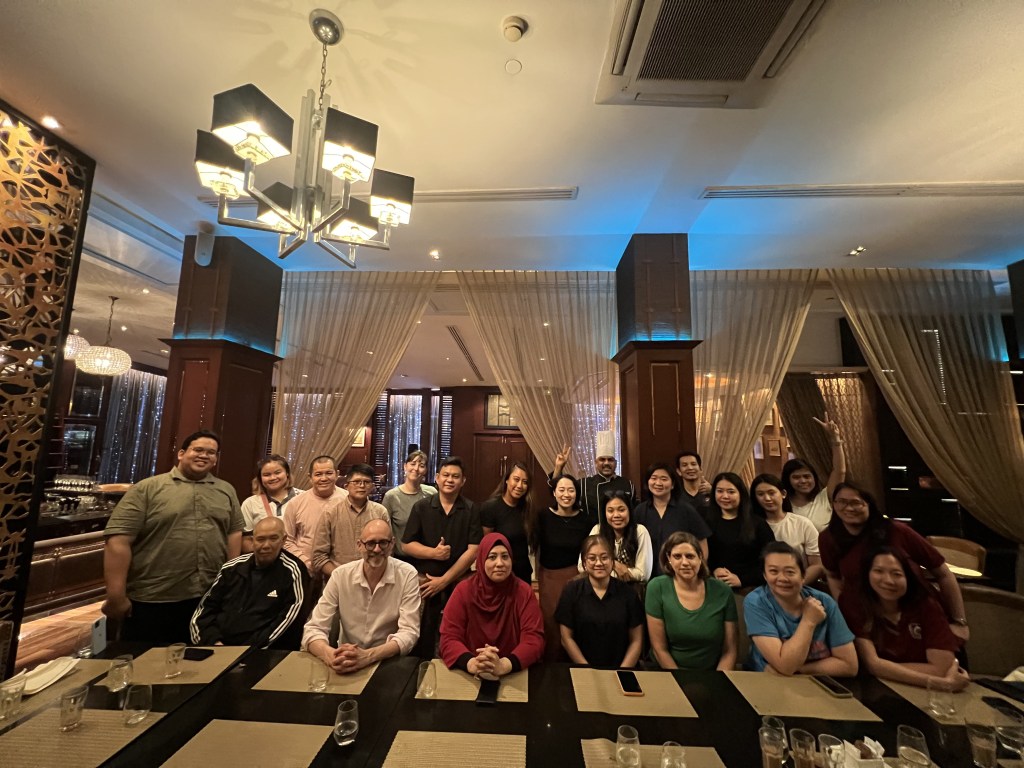
This year, the WFD invited James, Joey and me back to Bangkok, Thailand for an impact evaluation of our replication efforts. This session was instrumental in helping us recognize our strengths and weaknesses through a SWOT analysis and establish clear Objectives and Key Results (OKRs) for our action planning spanning 2024 to 2027 (possibly extending to 2030).
Our main objective is ambitious yet vital: achieving legal recognition for Singapore Sign Language (SgSL) by 2030. This means ensuring SgSL is formally recognised and incorporated across all levels of public service, education, and media. This recognition is crucial to safeguard the lingustic rights of the Deaf community, promote inclusivity, and enhance accessibility to services and information through SgSL.
Our Commitment and Call for Collective Action
We are fully committed to advancing the recognition of SgSL. However, we acknowledge that progress can be challenging and requires collective effort. While we strive to move forward, there are concerns about the pace of progress within our community.
This observation is not a criticism, but a call to action. It’s essential for all stakeholders, including the Singapore Association for the Deaf (SADeaf), to collaborate closely and align our efforts. The journey toward legal recognition of SgSL is a shared responsibility, and only though unity can we overcome obstacles and achieve our goals.
Moving Forward: A Collective Effort
Our journey toward the legal recognition of Singapore Sign Language is about affirming our identity, preserving our culture, and ensuring equal opportunities for the Deaf community. By empowering ourselves through education, strengthening collaborations, executing strategic advocacy, and enhancing resources, we are laying a solid foundation for achieving our ultimate goal.
I invite all of you—Deaf and hearing alike—to join us in this significant mission. Your support and participation are crucial in making SgSL an officially recognized language, fostering a more inclusive and accessible Singapore. Let’s come together, address the challenges we face, and commit to making steady progress toward our shared objectives.
Stay Connected
You can send an email to contact@eohorizons.com to explore opportunities how you can get involved.
Let’s work together to champion the recognition of Singapore Sign Language. Majulah SgSL!

 Lily Goh
Leave a comment